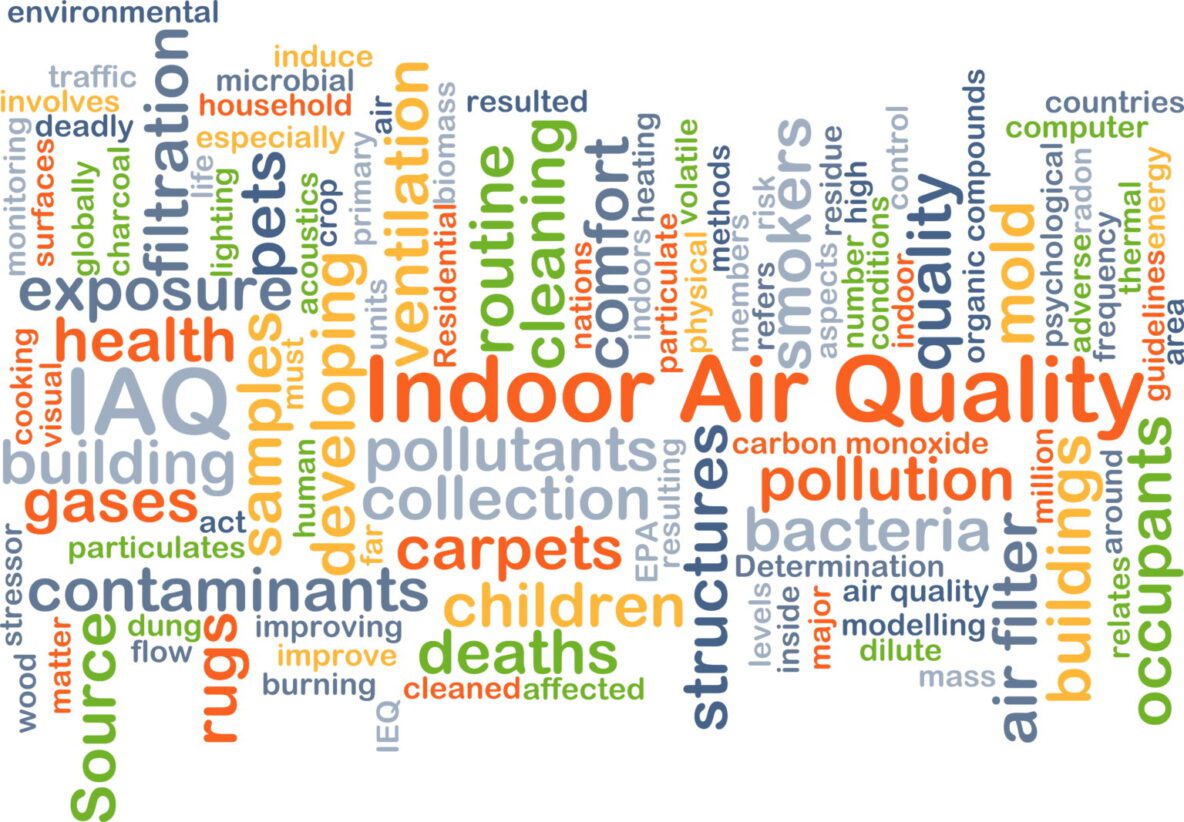
When winter hits Omaha, the air inside your home changes. The windows stay shut, the furnace runs nonstop, and the same air keeps moving through the house. It starts to feel heavier after a while. Dry. Dusty. Sometimes you can smell it when you first walk in. This is why monitoring indoor air quality is crucial during colder months.
Most people notice it without realizing what’s going on. You wake up with a dry throat or your skin feels rough no matter how much lotion you use. The static shocks start showing up when you touch a light switch. That is not just the weather outside. It is your indoor air quality.
How Winter Affects the Air Inside Your Omaha Home
Cold weather means sealed homes. That helps keep the heat in but traps the air that is already inside. Fresh air stops coming in, and the furnace keeps cycling the same air through the ducts. Dust, pet hair, and leftover pollen from fall all stay in circulation.
In older Omaha homes, you will see this first around vents or baseboards. Dust collects faster, and warm air from the registers feels dry on your face. In newer homes, you may not see it, but you feel it. The air feels still, and breathing can get uncomfortable after a while.
Omaha’s freeze-and-thaw cycle makes it worse. The humidity outside drops fast when temperatures dive, and then the furnace dries out what little moisture remains. Floors creak, wood furniture cracks slightly, and you may even notice a thin layer of condensation forming on windows in the morning. Some families call us because their kids wake up congested every day once the heat starts running.
When the air gets that dry, it starts to affect everything in the house. Your sinuses tighten, electronics build static, and dust lingers in the air.
Common Signs of Poor Indoor Air Quality
You can usually tell when the air inside is not right. Here are a few common signs Omaha homeowners notice during the heating season:
- Dry skin and scratchy throats
- More dust on furniture and vents
- Stale or musty smells that linger
- More coughing or sneezing than usual
- Rooms that never seem to stay comfortable
Sometimes you will notice wooden doors or floors shrinking slightly. That is the air pulling moisture from everything it touches. It is subtle, but by midwinter most homes show the same symptoms.
HVAC Solutions for Cleaner Air This Season
Improving indoor air quality does not take a major remodel. It is about helping your system move and clean the air more effectively.
Start with a humidifier.
A whole-home humidifier attaches directly to your furnace and adds moisture as the air circulates. It keeps humidity balanced through every room, not just one space. The air feels warmer and easier to breathe, and static starts to disappear.
Add an air purifier.
Air purifiers capture fine dust, allergens, and even bacteria that standard filters miss. When used with a humidifier, the purifier keeps the air cleaner and the humidity helps trap particles so they cannot stay airborne. The two systems work best together.
Use a better filter.
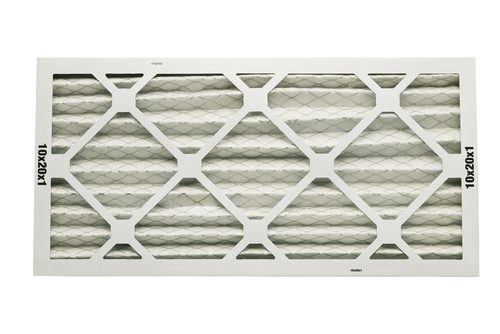
A clean, high-efficiency furnace filter traps smaller particles and keeps the blower running freely. It also helps the furnace work less, which can lower energy use through the winter. If it has been a while since you changed your filter, start there.
Keep up with maintenance.
A yearly tune-up removes buildup from the blower and ductwork and catches small airflow problems before they spread. Clean equipment runs quieter, uses less energy, and moves cleaner air through the house.
How Getzschman Improves Home Comfort Year-Round
At Getzschman, we work in every type of home around Omaha. Older houses near Dundee, newer builds in Elkhorn, and everything in between. They all face the same winter problem. The heat stays in, but the air quality drops.
Our technicians start by checking airflow, humidity, and filter condition. From there, we recommend what actually makes sense for your home. Sometimes it is adding a humidifier or purifier. Sometimes it is fixing airflow through a duct that was never sealed right. Sometimes it is just maintenance.
We know how Nebraska’s long cold spells dry out a house. We also know what it feels like when the air is balanced again. You breathe easier, the house feels more comfortable, and the air smells cleaner. That is what good indoor air quality does for a home.
Schedule an indoor air quality inspection with Getzschman before winter sets in.
While air ducts may not seem like it, they are actually one of the top energy wasters inside your home. Whether you realize it or not, your air ducts could be costing you to spend lots of unnecessary money on heating and cooling bills every month. Are you wondering if your ducts are wasting your money? We put together a few different ways to know if your ducts should be re-sealed.
Signs You Need to Re-Seal your Air Ducts
- You have rooms difficult to keep cold or warm
- Your bills in the summer or winter are extremely high
- You are uncomfortable in rooms because they are stuffy
- You find kinked flexible or tangled ducts in your system
- Your ducts are located in the garage, crawlspace, or attic
Sealing Ducts Correctly
Sealing your air ducts should only be done with the correct materials. Even though the name is misleading, duct tape should not be used on air ducts. It simply doesn’t get the job done. We recommend using either mastic sealant or metal tape. When sealing your ducts, start with the ones that are accessible immediately, like the attics, unfinished basements or garages. Then you can move onto registers or vents that could have disconnected or experienced a leak.
Insulate Ducts Where Necessary
We have found that attics, crawlspaces and unfinished basements usually need re-insulated. This is because the temperature differences it regularly experiences. Make sure to insulate with foil-faced fiberglass insulation (R-6 or higher value). Once the insulation is in place, it’s time to use the metallic foil. Before using the metallic foil, clean the surface. The product will stick much stronger if the surface is dust-free.
If sealing and insulating your own air ducts hasn’t turned out to be successful or brought the results you were looking for, then give us a call. We’ll get our experts out to take a look and get you on your way to save money!
When you think about potential asthma triggers in your home, your home's air conditioner is usually the last thing to come to mind. But the fact is that the air quality inside your home could be even worse for your asthma than the air outside.
Dirty Air Filters Spread Allergens
This is the case when you have dirty air conditioner filters. The air in your home is contaminated with dust, pollen, dander, mold spores, and other particles. Consequently, about 60% of asthma cases are caused by those particles. A good-quality air conditioner filter can help reduce these air contaminants. However, a dirty air conditioner filter has the opposite effect. Air conditioners filter harmful airborne particles from the air before blowing it around your house, yet when your air conditioner's filter fills up, its efficiency decreases. Thus, air contaminants and asthma triggers are pushed with the air conditioner's cooled air throughout your house, causing asthma flare-ups.
How Your Air Conditioner Can Reduce Asthma Symptoms
To prevent asthma attacks caused by particles in the air, there are a few precautions you can take.
Keep Your Windows and Doors Closed
Open doors and windows allow more harmful particles to enter your home. Your air conditioner will have to work harder to keep all the particles out of the air, and it may not be as efficient. Even for those who don't have asthma, dirty air filters can cause unwanted symptoms, such as coughing, wheezing, sneezing, red eyes, and respiratory tract infections.
Change Your Air Conditioner Filter Regularly
The more contaminants that are in the filter, the less efficient your filter becomes. Changing your air conditioner's filter regularly will reduce the number of particles in your home's air, reducing asthma flare-ups.
Get a High-Quality Pre-filter and Secondary filter
The pre-filter is the filter you change monthly. For families with a member who suffers from asthma, a secondary filter is usually attached. When looking for an air conditioner filter or a filter replacement, you should look for a filter that removes smaller particles from the air. HEPA filters are best for allergy sufferers as they filter out much smaller particles.
Regular air conditioner maintenance is essential for your family's health, especially for those with asthma and respiratory problems. By using high-quality filters and changing them regularly, you can reduce symptoms and live healthier.
At Getzschman Heating and Air Conditioning , we provide a variety of indoor air solutions , including air filters, air scrubbers, and UV germicidal lamps. Need help? Give us a call at (402) 235-6727 and we’ll be happy to show you your options.
In the summer heat, air conditioning is a welcome relief, but do you know how it keeps you cool? Understanding air conditioning is not only for certified technicians! Learning the basics of how an AC works can help you troubleshoot issues and prevent future problems. Here is a guide to the parts and processes involved in an air conditioning system.
What Parts Make Up an Air Conditioning System?
An air conditioning system generally consists of five mechanical components:
- Compressor
- Fan
- Condenser Coil (Hot)
- Evaporator Coil (Cool)
- Chemical Refrigerant
How Your Air Conditioning System Cools the Air
When liquid becomes gas, it absorbs heat. Air conditioners use this principle to cool air. A fan moves warm air from the room over the unit’s evaporator coils. They contain liquid refrigerant . Compounds in the liquid refrigerant absorb heat from the air when they become a gas. Heat leaves the air, and the temperature lowers. Once the refrigerant becomes a gas, it stops absorbing heat. To continue to cool the air, the refrigerant must expel heat and become liquid again.
How Your AC Expels the Heat
The refrigerant gas expands and gets pushed through the compressor . The compressor is an electrical pump that pressurizes this gas inside of condenser coils. Under high pressure, the refrigerant gas condenses into a liquid and expels heat. Another fan blows heat away from the condenser coils.
What Controls Your AC
An expansion valve controls how fast the liquid refrigerant re-enters the evaporator coils. When the liquid returns to the evaporator, the cycle restarts. The expansion valve works with a thermostat and a control unit to control the cycle.
How Your AC Cleans Your Air
Air conditioners contain a filter that removes particles from the air. This filter cleans the air of dust, dirt, and allergens while the AC runs.
Window Versus Central AC
A window air conditioner has the compressor and the condenser coils outside on the back of the unit. A fan blows heat away from them. In contrast, the evaporator coils are inside to absorb heat from the room air. The unit has its own thermostat controls on the front.
In a central air conditioner ( split-unit) , the controls hook into the thermostat of the building. The compressor, condenser coils, and a fan are in a separate unit outside the building. The evaporator coils are often within a furnace. The furnace blows air through an evaporator coil, which cools the air, and routes this cool air throughout your home through your ductwork.
Window and central air conditioning systems work in the same way. Central air conditioners are just split into two parts, one outside and one inside of the building. Split-systems cool a larger space faster and cheaper than window units. They are quieter, too, as the noisy compressor is in the outside unit.
How Your AC Is Rated
Air conditioners have a British Thermal Unit (BTU) rating. Window air conditioners are around 10,000 BTU. Your AC needs around 30 BTU for every square foot of the space being cooled.
The BTU rating affects the Energy Efficiency Rating (EER) of the air conditioner. EER is the BTU divided by the wattage. A unit with a high EER is more efficient and saves electricity costs but may have a higher price up front.
Your knowledge of air conditioning will help you troubleshoot problems and fix simple issues. If you need a technician’s help, you will better understand what he is fixing. For more information on air conditioning and our services , please contact us .
When summertime rolls around, thoughts of swimming, picnics, and barbecues come to mind. But there's one thing we just can't seem to welcome with open arms: the ever-rising summer heat.
Let's face it: it's hot out and will only get hotter as the months roll on. But there’s no need to feel helpless against the sun's relentless rays! Below are six tips and tricks that you can use to keep your home cool this summer.
Related Read: 4 Quick AC Tips to Save Money When You’re Away on Vacay
1. Shut Out the Heat
Did you know that 30% of heat in your home might be coming through your windows? This one may seem like a no-brainer, but a great way to help keep your home cool is to shut those blinds and curtains while the sun is out. Here's some good news—you can save up to 7% on your electric bill just by utilizing blinds and curtains during the day! If you think you have a bigger issue, it may be time to get your windows checked out.
2. Get Grillin'
Most homeowners know that using your stove or oven will make your house hot. If you would rather have a hot meal over a cool salad for dinner, try taking it out to the grill to cook meals. This is a great way to keep your home cool, while taking advantage of the great outdoors and creating delicious meals this summer.
3. Change Up Your Sheets Routine
Everyone loves good silk or satin bed sheets, but not so much for those toasty summer nights. Swapping out those fancy slick sheets for a good old-fashioned cotton sheet set can definitely change the way you sleep this summer. Cotton is a naturally breathable material, so hitting the sack with cotton sheets is sure to help keep it breezy as you snooze.
4. Unplug & Unwind at Night
We all love our electronics, but when they're not being used, they can emit heat that definitely makes a difference during those sweltering days. Unplugging electronics that aren't currently in use will also save you a few bucks on your utility bill, and who doesn't like to stash some cash for more summer fun?
5. Plant a Tree!
If you are a homeowner, you can make a long-term investment of strategically planting a few trees around your home to keep out the heat during the summer months. The shade created by the trees keeps rays away from windows while managing to cool your entire home a few degrees—kind of like natural insulation!
6. Check Your Filters
Air conditioning units come with a filter component that will eventually need to be changed routinely due to clogging by dirt and other debris. If left untouched, a dirty air filter can block the cool air the unit is attempting to put out. A dirty filter will also cause the AC unit to work harder, thus increasing that darn electric bill.
Related Read: Keep Getting Sick? Improve Your Home’s Air Quality
Have a happy summer from our team at Getzschman Heating and Cooling! Contact us now, if you have any further questions about your AC or would like to schedule a visit from us for one of our many services.
Air conditioners all have an energy efficiency rating. It’s called a SEER rating. A SEER rating is defined as Seasonal Energy Efficiency Rating. The rating is determined by the output of heat or air for each unit of energy the unit consumes. The higher the output, the higher the rating. Higher ratings indicate higher efficiency.
Related Read: 4 Quick AC Tips to Save Money When You’re Away on Vacay
SEER Rating Requirement
The requirement as of January 2006, mandated by the federal government, is that each new a/c unit has to be at least SEER-13. These ratings are important to consumers for a couple of main reasons. First, utility companies will often offer compensation in the hundreds of dollars for a homeowner to install a higher efficiency unit. Consumers can also check for current rebates that are available. Higher efficiency also results in lower utility bills and less stress on the environment.
There are a handful of ways to find the SEER rating of your current unit. The easiest is to get it off the yellow and black Energy Guide sticker, if it's still intact on your condenser. You may also have a piece of paper taped to your indoor unit that might show the rating. Your model nameplate on your unit may provide an indication (although it may not be exact) of your SEER rating. If you are still having trouble locating it, you can copy down the manufacturer and serial numbers and contact the manufacturer.
Time for a New Unit?
Check out this list of recommendations from ENERGY STAR on when to consider upgrading your AC unit:
- If your heat or AC unit is more than 10 years old
- Furnace or boiler is more than 15 years old
- Energy bills are rising and repairs needed are frequent
- Unequal heating or cooling in different rooms of your house
- If you are gone for long stretches of the day and don't have a programmable thermostat
- Your home has humidity problems
- Your home has excessive dust
- Your system is noisy
- Your score on the home energy yardstick is below 5
Getzschman Heating and Cooling is a family-owned business and has been serving the community of Omaha since 1960. We offer a 100% customer satisfaction guarantee. Call us at (402) 235-6727 or contact us for additional information, and continue reading our blog for more useful tips and tricks for your home.
Furnace season is almost in full force now in Omaha, but it comes at a price. When your furnace runs all day and all night, the humidity levels in your home can easily become unbalanced. If you can’t immediately tell that the air in your home is parched, here are five telltale signs to look for.
Itchy, Dry Skin
Is your skin, or your family members’ skin itchy and dryer than usual? Skin, your body’s largest organ, requires plenty of moisture to maintain its health. If you’re using moisturizer regularly, but still find you are itchy and dry, your home’s air could be too arid.
Bloody Noses
Has anyone in your family had a bloody nose lately? If they haven’t sustained a nose injury recently, or aren’t suffering from an illness, it can signal there isn’t enough moisture in the air. Skin inside your nose is thinner than most skin, and is more susceptible to imbalances of moisture.
Lingering Cough & Sore Throat
If you aren’t sick but can’t seem to kick that sore throat and cough, it could be a sign you need a whole home humidifier.
Static Electricity
Do you seem to get shocked every time you touch the metal door handles in your home? If you didn’t just shuffle through your house with socks on, it could very well be caused by low humidity in your home. Static electricity increases when the humidity levels drop. Think of how dry hair behaves in the winter when you rub it wrong on your coat. That’s the same thing.
Wood Furniture Cracks
If you’ve been noticing changes in your furniture, it could also be due to humidity levels in your home dropping. Look for cracks and flaking in your wood furniture or floors. Wood furniture and floors also rely heavily on steady humidity levels to maintain their shape.
A whole home humidifier from Getzschman Heating & Cooling can reverse all of these problems. Our technicians can attach it directly to your furnace and your plumbing so it has a constant supply of water. This means you never have to forget about refilling it, which often happens with portable humidifiers. A whole home humidifier will deliver the optimal amount of moisture to every room in your home that has air ducts.
Call the technicians you can trust with your house keys at G-Force to talk about financing your new whole home humidifier before furnace season sucks all the moisture out of your home.
If you are noticing more dust in your home, uneven airflow, or lingering indoor air quality issues, it may be time to get your air ducts cleaned. In Omaha, seasonal temperature swings and heavy HVAC use can cause dust, allergens, and debris to build up inside your ductwork over time. Knowing when and why to get your air ducts cleaned can help improve indoor air quality, support efficient heating and cooling, and create a more comfortable home year-round.
Insects and Animals Could be Stuck in Your Ducts
While it’s not pretty to think about, unfortunately the truth is that insects and rodents can be found in almost every house. And many times they like to stick to small dark spaces, like your home’s air ducts. Not only could you have dead animals and bugs, but their feces too. If that’s the case, the air being pumped into your home could contain particles and pollution.
Trapped Dust and Debris
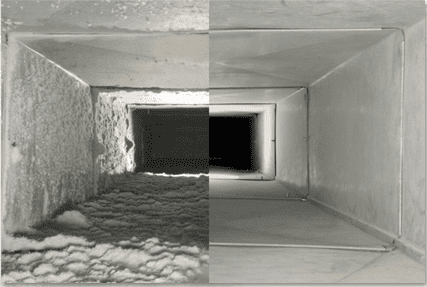
Every home has its fair share of dust, but it’s easy to get rid of the dust you see on shelves and lamps. It’s not so easy to get rid of the dust and debris that piles up in your air ducts, though. A person can shed more than a million tiny skin particles every day. Think of how much dust your family can create in just a week. Then consider that we usually only clean out air ducts every few years. That’s a lot of dust particles being redistributed throughout your home over those few years.
Read more about how air duct cleaning can help increase your home’s indoor air quality on our blog.
Mold Spores Grow Off of Trapped Dust Particles
Mold and bacteria can also be a problem in your air ducts. Mold and bacteria can feed off of the dust and debris built up over the years, and thrive in dark cool spaces like air ducts. And they can really be an issue if you’ve had water damage in the last few years. If left untreated, mold and bacteria can get into your home’s air and cause of host of health problems for your family.
Call Getzschman today for a free estimate on air duct cleaning services for your home.
As the weather warms up in the Omaha area, we tend to increase our outdoor activity. Kids are out of school and are constantly running in and out, bringing dust, dirt and pollen into your home. Your pets are probably enjoying the warmer weather, too.
In addition to the dirt they are bringing in from outside, you have probably noticed more hair as they shed on furniture and rugs! So how can you use duct cleaning to help increase your home’s indoor air quality? Find out below from the experts at Getzschman Heating & Cooling!
Air Conditioners Filter the Air in Your Home as Well as Cool It
Did you know that your air conditioning system doesn’t just cool the air in your home, but that it also filters? Typically, the AC will circulate the air in your home five to seven times a day. Warm, stale air is pulled in through the air return and moved along the ducts of your HVAC system . The air laden with dust and debris moves through your air filter, where many of the particles are trapped. The cooler, cleaner air is then pumped back through the ducts to each room in your home.
Duct Cleaning Supplements Your AC’s Filtering
If the filter is cleaning the air, why should you consider duct cleaning services as well? In the hot summer months, you want as much cool air as your system can generate and a dirty filter may be slowing you down. As dirt, hair and dust start to clog your filter, your air conditioner's fan needs to work harder to push air through. Removing debris and cobwebs eases airflow and increases the efficiency of the system, in extreme cases by as much as 40%.
How to Tell if Your Ducts Need Cleaning
- If you see clumps of dust, cobwebs or particles blowing out of supply registers, your ducts need cleaning.
- Take the register off one of the vents and inspect the inside surfaces for visible mold , rodent droppings or dead insects. If you see any of those, it’s time for a duct cleaning. Remember, there may be accumulation further into the ducts than you can see.
- If your ductwork is made of fiberglass, it tends to collect more dust along the surface than sheet metal. Not sure what your ducts are made of? Just ask your heating and cooling contractor the next time they come out to conduct routine maintenance on your system.
For more information about duct cleaning in the Omaha area, give Getzschman Heating & Cooling a call.