








Breakers Tripping More Often During Extreme Cold
During extreme winter weather in Nebraska, some homeowners notice a problem that does not show up during warmer months. A breaker keeps tripping, sometimes more than once a day, often when heating equipment is running. Lights may flicker, rooms lose power, or a space heater suddenly shuts off.
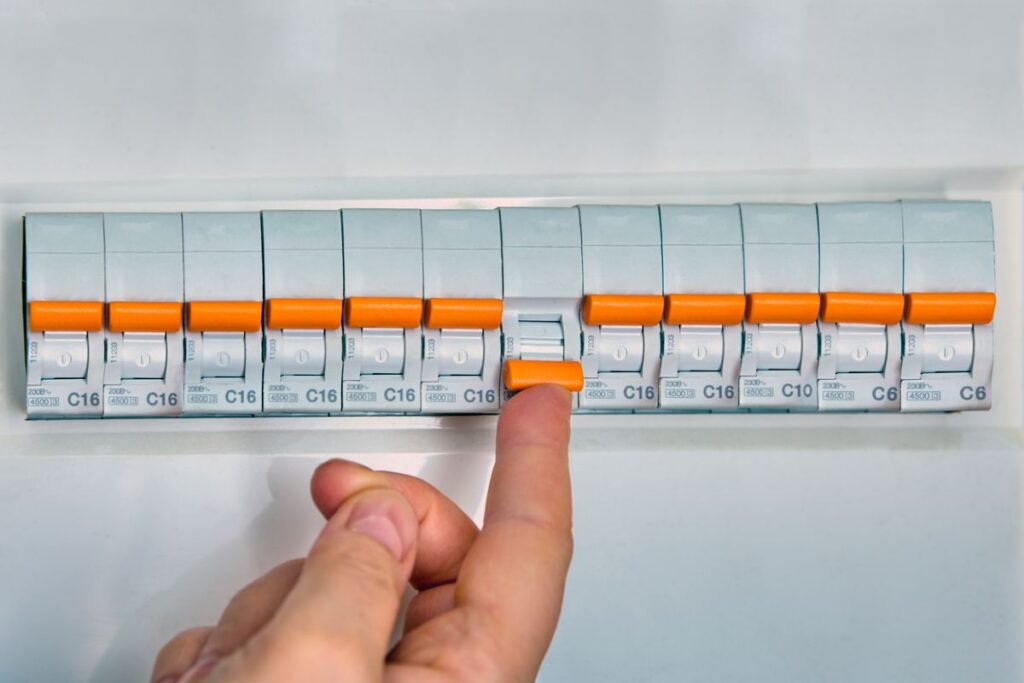
Circuit breakers are designed to interrupt power when electrical load exceeds safe limits. In winter, homes draw more electricity than usual. Heating systems run longer, additional devices are plugged in, and appliances cycle more frequently. That added demand can push circuits close to capacity and trigger shutdowns.
Knowing why breakers trip more often during cold weather helps homeowners understand when the system is doing its job and when there may be a safety concern that needs attention.
Why Winter Increases Electrical Load in Homes
Cold weather changes how electricity is used throughout a house. Heating systems operate for longer stretches, especially overnight and during prolonged cold snaps. Electric furnaces, heat pumps, and auxiliary heat elements place sustained demand on circuits during these periods.
Daily routines also shift in winter. Portable heaters, heated bedding, extra lighting, and longer appliance run times all add to electrical use, leading to expensive electrical services. Kitchens and laundry areas often see heavier demand as families spend more time indoors.
In many Nebraska homes, especially older ones, electrical systems were not designed to handle multiple high-draw devices running at the same time. When demand stacks up, breakers respond by shutting off power. This is why breakers tripping in winter tends to appear seasonally instead of year-round.
Heating Systems and Breaker Demand
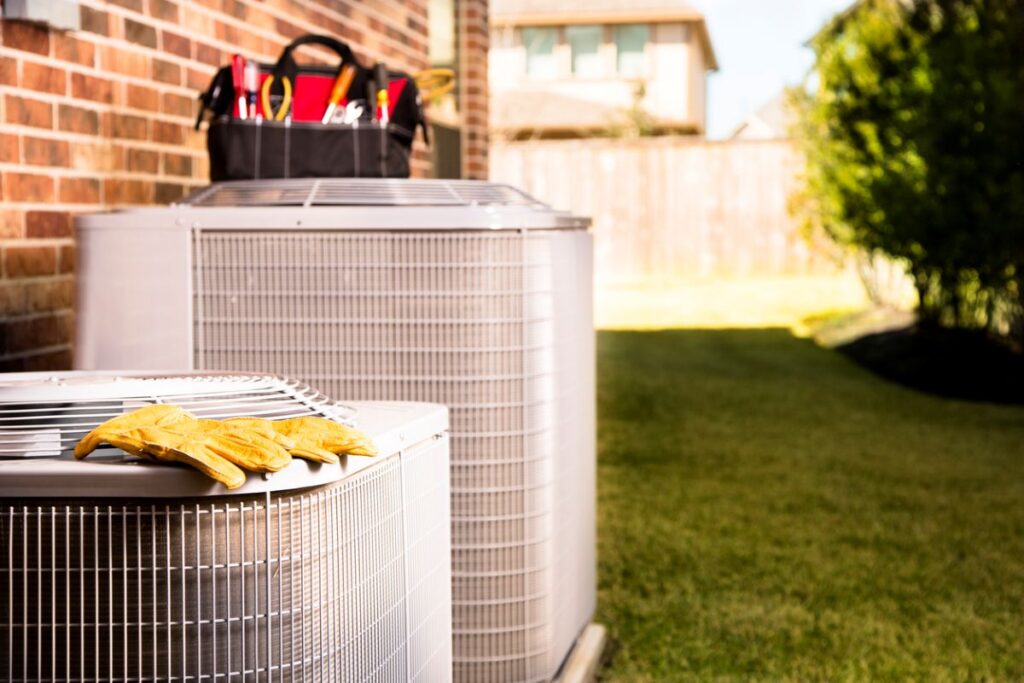
Heating equipment plays a central role when breaker trips happen during extreme cold. Electric heating systems draw significant power, particularly during startup. Heat pumps may activate auxiliary heat when outdoor temperatures drop, which increases electrical demand suddenly.
Gas furnaces also rely on electricity. Blowers, ignition systems, and control boards all require power. If these components share circuits with other high-load devices, breaker trips can occur once heating run times increase.
This is why homeowners often notice that a breaker trips when heat is on, even though the system seemed fine earlier in the season. Longer operating cycles expose limits that were not obvious during milder weather.
Common Warning Signs of an Electrical Safety Issue
An occasional breaker trip during extreme cold can be normal. Repeated or escalating problems should not be ignored.
Warning signs include:
- A breaker that trips immediately after being reset
- Breakers tripping daily or multiple times in a short period
- A warm or buzzing electrical panel
- Burning smells near outlets or the breaker panel
- Flickering lights or discolored outlets
- Loss of power to heating equipment during cold conditions
These signs suggest electrical issues in cold weather that go beyond routine load protection. In these cases, the breaker is reacting to a potential safety risk rather than everyday demand.
What Homeowners Can Check Safely
There are a few safe steps homeowners can take to reduce unnecessary electrical load and observe patterns. These checks do not involve opening panels or making repairs.
Homeowners can:
- Turn off and unplug portable heaters that are not in use
- Avoid running several high-draw appliances at the same time
- Plug space heaters directly into wall outlets instead of extension cords
- Note which breaker trips and what equipment is running at the time
- Make sure the breaker handle is fully switched off before resetting
If a breaker keeps tripping after reducing load, the issue likely needs professional evaluation.
When Tripping Signals a Professional Electrical Issue
Breaker trips become a safety concern when they happen frequently or without a clear cause. A breaker that trips under light load may indicate wiring problems, a failing breaker, or a circuit that can no longer handle current demand.
During winter, electrical loads rise quickly. If a breaker trips when heat is on consistently, it may point to circuits operating beyond their safe limits. This is especially important in older homes or homes where heating equipment or appliance usage has changed.
At that point, contacting a licensed electrician is the appropriate step. A professional evaluation focuses on safety and confirms why the breaker is reacting during cold weather.
Staying Safe During Nebraska Cold Snaps
Breaker trips are a built-in safety feature and should never be bypassed. Replacing breakers with higher-rated ones or ignoring repeated trips increases the risk of fire and electrical damage.
During extreme cold, pay attention to patterns and warning signs. If breaker trips increase or safety symptoms appear, professional guidance helps protect your home and family.
Understanding why a breaker keeps tripping during Nebraska winters allows homeowners to act early and stay safe through the coldest months.
Schedule Online