








Why Is My Toilet Bubbling?
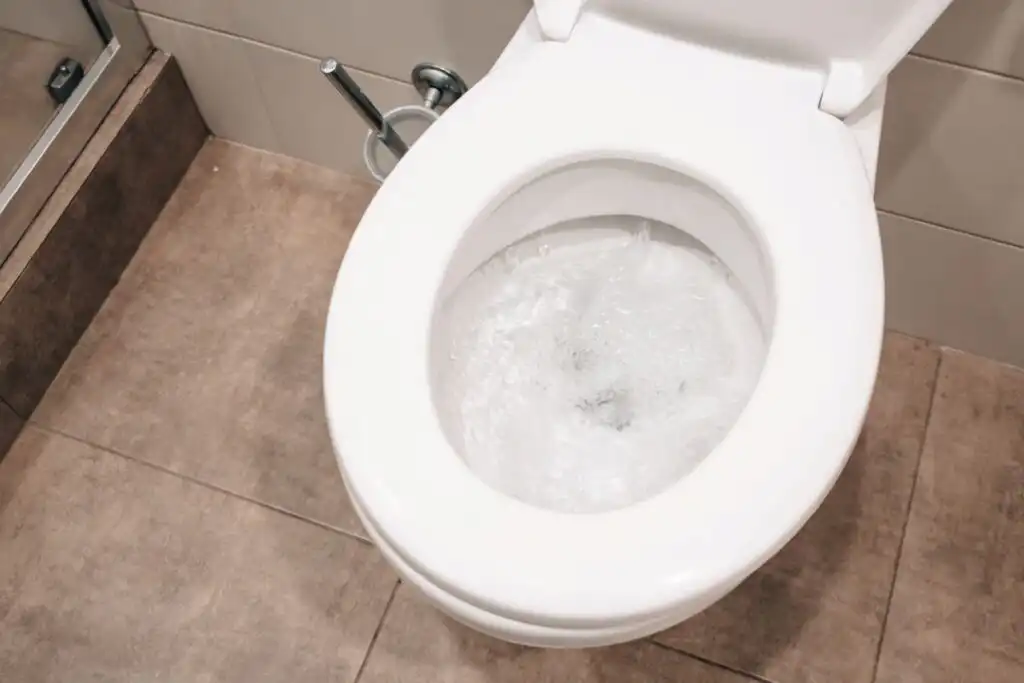
A toilet that bubbles or gurgles usually catches people off guard. The water level might stay normal. Nothing overflows. But the sound is wrong, and it tends to happen at the worst times, like when someone is showering or the washing machine is draining.
For many Nebraska homeowners, the first thought is that something is wrong with the toilet itself. In most cases, it isn’t. Bubbling is a reaction, not the root problem. It’s the plumbing system responding to air moving where it shouldn’t.
That air movement can come from several places. Sometimes it’s minor. Other times it points to a larger sewer or venting issue. The key is understanding what the bubbling is telling you, not guessing based on the fixture making the noise.
Follow along to learn what these symptoms could mean, and when it's time to call for plumbing services.
What Toilet Bubbling or Gurgling Actually Means
Plumbing systems are built to move water and air together. When water flows through a drain, air has to move with it. That balance keeps pressure steady and allows waste to move out of the house.
When that balance is off, air looks for the easiest way out. If it can’t move through a vent pipe, it pushes back through water sitting in a trap. Toilets have a large water surface, so they tend to make noise first.
A single bubble once in a while can happen. It’s usually tied to a larger volume of water moving through the system. Repeated bubbling is different. When it happens during normal daily use, something is interfering with airflow or drainage.
That’s usually when homeowners start asking “why is my toilet bubbling?”, even though the toilet still seems to work.
Why Bubbling Happens When Other Fixtures Are Running
One of the clearest clues is timing. Many people notice bubbling when the shower is on, the washing machine drains, or the sink empties.
Homes don’t have separate drain lines for every fixture. Multiple drains tie into shared piping. When a shower sends a rush of water into that system, it displaces air at the same time.
If that air can’t move freely up and out through the vent stack, it pushes back. The toilet is often the closest opening with standing water, so that’s where the pressure shows up.
Common Plumbing Issues That Cause Toilet Bubbling
Several conditions can interfere with proper airflow and drainage.
Partial restrictions in the main sewer line are a common cause. Waste still moves, but not smoothly. As flow slows, pressure builds and air starts behaving unpredictably.
Vent stack blockages can cause similar symptoms. Leaves, debris, or nests can reduce airflow without stopping it completely. The system still drains, just not the way it should.
Older plumbing layouts can also contribute. Changes in pipe slope, aging materials, or long horizontal runs make systems less forgiving when airflow isn’t perfect. These issues tend to develop over time, which is why toilet gurgling often seems to appear without a clear trigger.
When Bubbling Signals a Larger Sewer Line Problem
Bubbling becomes more concerning when it doesn’t stay isolated.
Slow drains in multiple areas. Bubbling that happens more often. Gurgling sounds deeper in the system, not just in the toilet. These patterns usually point away from a single fixture issue.
Another red flag is progression. Bubbling that was occasional becomes frequent. Sounds get louder. The timing becomes less predictable. Those changes suggest the system is under increasing strain.
This doesn’t mean an emergency, but it does mean the system isn’t moving air and waste the way it was designed to.
What Homeowners Can Observe Safely
There’s no need to diagnose the problem but paying attention helps.
Notice how often bubbling happens. Note which fixtures are running when it starts. Pay attention to whether it’s getting worse or staying the same.
It’s just as important to know what not to do. Chemical drain products, repeated plunging, or forcing multiple flushes can increase pressure inside the system. These steps may quiet things briefly, but they often make underlying problems harder to evaluate later.
When a Sewer Inspection Is the Right Next Step
If the bubbling continues, or spreads to other fixtures, or starts pairing with slow drainage; a sewer inspection is often the logical next step.
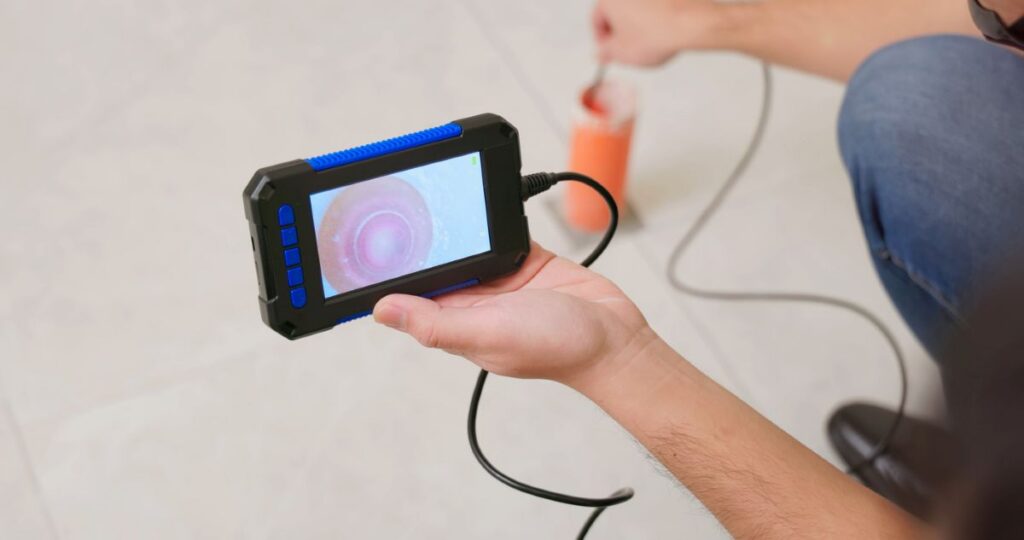
Inspections are diagnostic. They’re used to observe what’s happening inside the system, not to push a repair. Venting issues, developing sewer line restrictions, and airflow problems can all be identified without invasive work.
For Nebraska homeowners, an inspection brings clarity. Instead of guessing, you get a clear picture of why the toilet is reacting and whether the issue is stable or likely to change.
When symptoms persist, evaluation helps determine what’s normal, what isn’t, and what should be addressed next.
Schedule Online