








Furnace Blowing Cold Air During Nebraska Cold Snaps
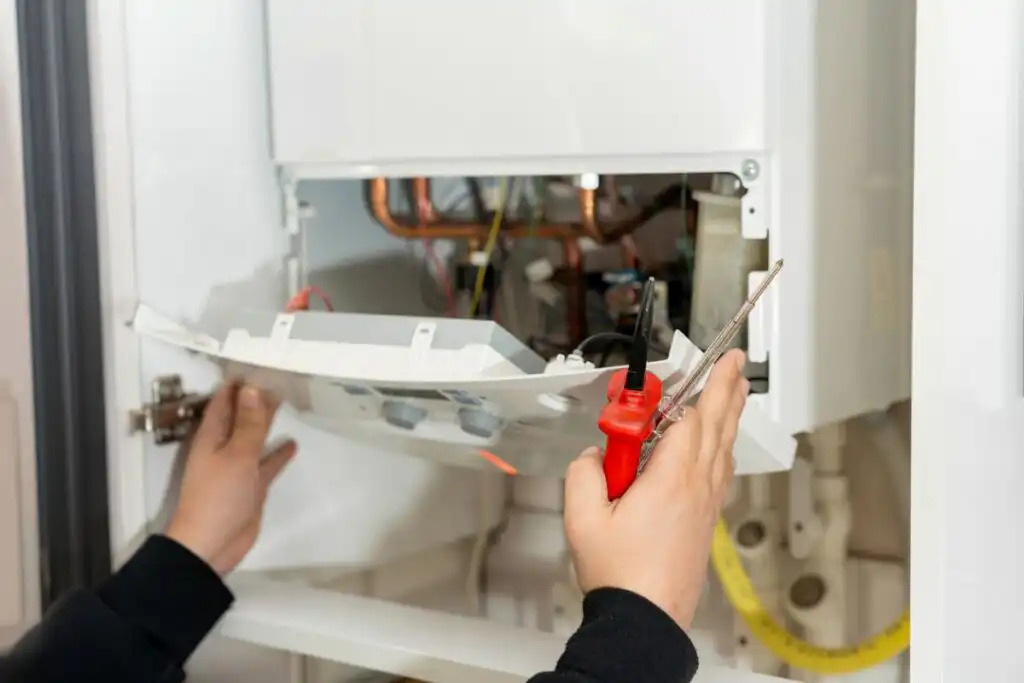
Few winter issues create more confusion for Nebraska homeowners than a furnace blowing cold air. The system is running, air is coming through the vents, but the house does not feel warmer. During cold snaps, this is especially alarming.
In many cases, cold or cool air at the vents is part of normal furnace operation. In others, it points to an issue that needs attention. The challenge is telling the difference without jumping to conclusions. Nebraska winters push heating systems hard, and extreme cold can change how furnaces behave compared to milder weather.
This guide explains why furnaces can blow cool air, what behavior is expected during cold weather, and when cold air is a sign of a real problem. The goal is clarity, not alarm.
When Cold Air Is Part of Normal Furnace Operation
Most furnaces go through a short warm up cycle every time they start. When the system turns on, the blower may begin moving air before the heat exchanger reaches full temperature. During this window, the air coming from the vents can feel cool or only slightly warm.
This behavior is more noticeable during very cold weather. The ductwork itself starts out cold, so the first air moving through the system loses heat before it reaches the living space. As the heat exchanger warms and the ducts absorb heat, the supply air temperature increases.
Normal cold air during startup is brief. It usually lasts a few minutes at most. Once the furnace is fully running, the air should feel warm and the home temperature should begin to rise. Cold air that stops quickly and gives way to warm airflow is not a cause for concern.
Thermostat Settings That Can Make Air Feel Cooler
Thermostat settings can affect how warm the air feels, even when the furnace is operating correctly. One common issue is the fan setting. When the fan is set to “On” instead of “Auto,” the blower runs continuously. This means air circulates even when the furnace is not actively heating, which can feel like cold air.
Temperature setbacks can also play a role. During recovery from a large setback, the furnace may run longer cycles. Early airflow may feel cooler until the system fully ramps up. Smart thermostats can exaggerate this sensation by starting the blower earlier to balance airflow and temperature.
These settings do not indicate a furnace problem. They influence airflow timing and perception. Checking thermostat configuration is a safe first step when heat blowing cold air becomes noticeable.
Airflow Issues That Affect Heat Delivery
Airflow problems can make heated air feel cooler than it actually is. Dirty air filters are a common contributor. When airflow is restricted, heat does not distribute evenly through the system. The air reaching the vents may feel weaker or less warm.
Blocked return grilles or supply vents have a similar effect. Furniture, rugs, or closed registers can disrupt airflow and exaggerate temperature differences from room to room. Reduced airflow makes it harder for warm air to reach living spaces efficiently.
These conditions do not confirm a mechanical failure. They influence how heat is delivered and how it feels at the vent. During Nebraska winters, airflow issues can make normal furnace operation feel like furnace cold air winter situations, even when the system is functioning.
Heat Pumps vs Furnaces, Why Behavior Differs
Some Nebraska homes use heat pumps rather than traditional furnaces. Heat pumps behave differently in cold weather, which can add to confusion. Unlike furnaces, heat pumps move heat rather than generate it. In cold conditions, the air they produce often feels lukewarm rather than hot.
During extreme cold, heat pumps may enter defrost cycles. When this happens, cooler air can briefly blow into the home. Auxiliary heat may activate to support heating demand, but airflow temperature may still feel different than a gas furnace.
Understanding the type of system in your home matters. What feels like furnace blowing cold air in winter may be normal heat pump behavior during very low outdoor temperatures, especially in Nebraska conditions.
Signs Cold Air Indicates a Real Heating Problem
Cold air becomes a concern when it persists through the entire heating cycle. If the furnace runs for an extended period and the air never warms, that is not normal operation.
Other warning signs include no increase in indoor temperature, short cycling paired with cool airflow, or repeated attempts to restart without producing heat. Unusual smells, rattling, or new sounds during operation should also be taken seriously.
When these symptoms appear together, the furnace blowing cold air likely points to an issue that requires a professional. The system may be running, but heat production is not happening as it should.
When to Schedule a Diagnostic Service
If cold air continues beyond startup, or if the home never warms during a full cycle, scheduling a diagnostic check is the appropriate next step. Diagnostics focus on confirming what is happening, not jumping straight to repairs or replacements.
A professional evaluation helps determine whether the issue is related to airflow, controls, safety limits, or heat production. It also ensures the system is operating safely during extreme winter conditions.
For Nebraska homeowners, early diagnostics provide peace of mind during long cold spells. When furnace behavior does not match normal operation, a diagnostic visit helps clarify what is normal, what is not, and what steps may be needed next.
Schedule Online