








Furnace Short Cycling During Nebraska Winter

It’s easy to notice once you start paying attention. The heat kicks on, runs for a minute or two, then shuts off. A few minutes later, it starts again. If that pattern keeps repeating, you may be dealing with furnace short cycling, a common issue that can signal underlying problems with your heating services system.
During Nebraska winters, this kind of behavior feels especially concerning. When temperatures stay below freezing for days at a time, most homeowners expect their heating system to run steadily to maintain comfort. Instead, the furnace turns on, shuts off, and restarts again, creating uneven temperatures and added strain on the equipment.
This guide explains what furnace short cycling means, why winter conditions can make it more noticeable, how it impacts overall heating services performance, and how to tell the difference between normal safety operation and a system that needs professional evaluation.
What Furnace Short Cycling Means
Furnace short cycling refers to a pattern where the system starts, runs briefly, and shuts off before completing a full heating cycle. Instead of running long enough to stabilize indoor temperatures, the furnace cycles frequently and struggles to maintain consistent warmth.
All residential gas furnace systems are built with safety mechanisms. A high limit switch monitors internal temperatures and shuts the burner down if it begins to overheat. That shutdown protects the heat exchanger and other components.
Short cycling becomes a concern when the furnace turns on and off quickly without bringing the home to the thermostat setting. In winter, steady operation is normal. Rapid, repeated cycling is not.
The key question is not “Why did it turn off?” but “Did it turn off too soon?”
Why Winter Conditions Can Trigger Short Cycling
Nebraska winter weather places sustained demand on heating systems. Heat loss in winter increases through windows, walls, attic insulation gaps, and even small air leaks around doors.
When outdoor temperatures drop sharply, your furnace works harder to replace escaping heat. If airflow is restricted or heat builds up inside the system too quickly, the overheating protection feature can activate and shut the burner down early.
Cold weather does not create short cycling by itself. Instead, extreme cold stress exposes minor airflow or control issues that might not appear during milder seasons.
Homes with older insulation or stronger wind exposure often experience this pattern more clearly.
Airflow and Overheating: What’s Really Happening
Restricted airflow is one of the most common contributors to a short cycling furnace.
When airflow slows:
- Heat builds rapidly inside the heat exchanger
- The high limit switch shuts the burner off
- The blower continues running to cool the system
- The furnace restarts shortly after
- The pattern repeats
A dirty furnace filter is often the simplest cause. Blocked supply vents, closed return vents, or furniture placed over registers can also restrict circulation.
Airflow problems are often subtle. The system may still produce heat, but it cannot move it efficiently. That imbalance creates frequent furnace cycling patterns that look mechanical but begin with airflow.
Before assuming a serious issue, checking filters and confirming vents are clear is a practical first step.
Thermostat Settings That Can Contribute to Short Cycling
Thermostat behavior can also influence rapid on off cycles.
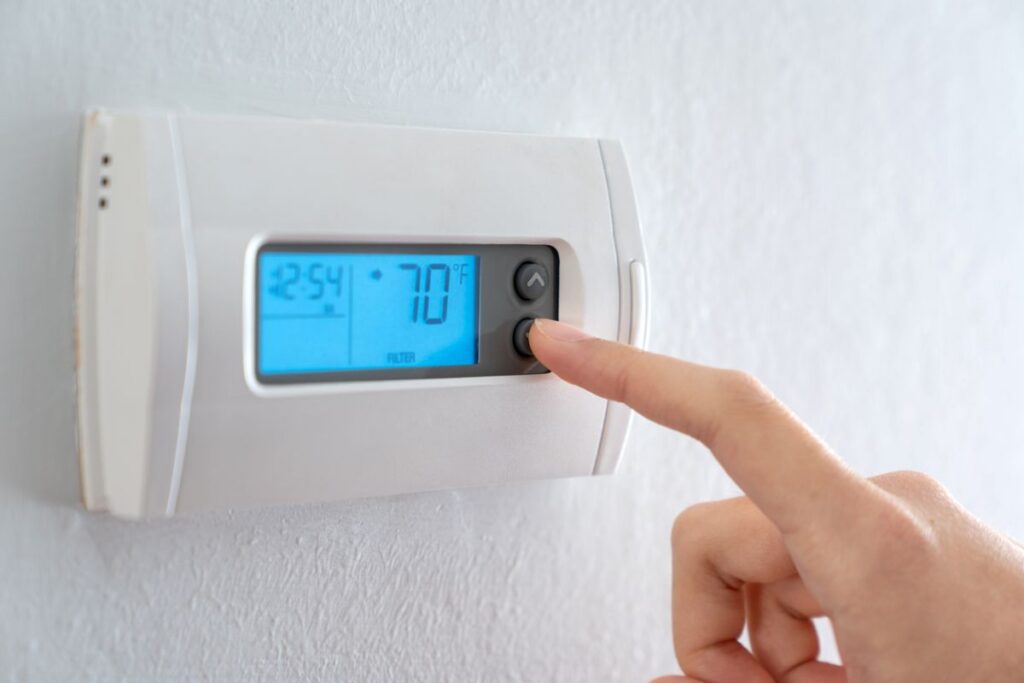
Large temperature setbacks can cause aggressive recovery cycles. If the indoor temperature is several degrees below the setpoint, the system may run at maximum output. Once the thermostat detects rapid temperature change, it can shut off quickly, creating a furnace starting and stopping pattern.
Smart thermostat recovery features can amplify this during cold snaps. Some models adjust cycle timing based on outdoor temperature.
Thermostat placement matters as well. A thermostat located near a heat source, draft, or direct sunlight may misread room temperature. That misreading can lead to furnace cycles frequently even when other areas of the home remain cool.
Reviewing thermostat settings and confirming fan mode is set to “Auto” instead of continuous operation can clarify the situation.
Additional Factors That Can Increase Cycling
Beyond airflow and thermostat settings, a few other conditions can influence system behavior:
- Oversized furnace systems that heat too quickly
- Blocked return ducts
- Dirty blower components
- Sensor alignment issues
An oversized unit can raise the indoor temperature rapidly and shut off before distributing heat evenly. That pattern resembles short cycling, even though the equipment is technically operating as designed.
This is why consistent indoor comfort is an important indicator. If rooms feel evenly heated and stable, cycling patterns may not signal a serious problem.
Signs Short Cycling Indicates a Problem
Short cycling may require evaluation if you observe:
- Rapid on off cycles every few minutes
- Indoor temperature never reaching the setpoint
- Certain rooms staying noticeably colder
- Unusual smells or mechanical noises
- Breaker trips during operation
If the furnace cycles frequently and comfort continues to decline, it may indicate overheating protection is activating repeatedly.
You might also notice patterns similar to a Furnace turning on and off repeatedly without stabilizing indoor warmth.
The difference between normal winter runtime and system instability comes down to consistency and temperature performance.
When to Schedule a Diagnostic Evaluation
If filter replacement, vent inspection, and thermostat adjustments do not improve the cycling pattern, scheduling a diagnostic evaluation is reasonable.
A professional review can confirm:
- If airflow is sufficient
- If safety controls are activating appropriately
- If temperature sensors are functioning correctly
- If internal components are operating within range
The purpose of evaluation is clarity. It does not automatically mean repair or replacement is necessary. In many cases, it confirms the system is responding to winter heating demand.
If furnace short cycling continues during sustained Nebraska cold, contact Getzschman Heating to schedule a system evaluation and review your concerns.
Schedule Online