








Why Is My Furnace Turning On and Off Repeatedly?
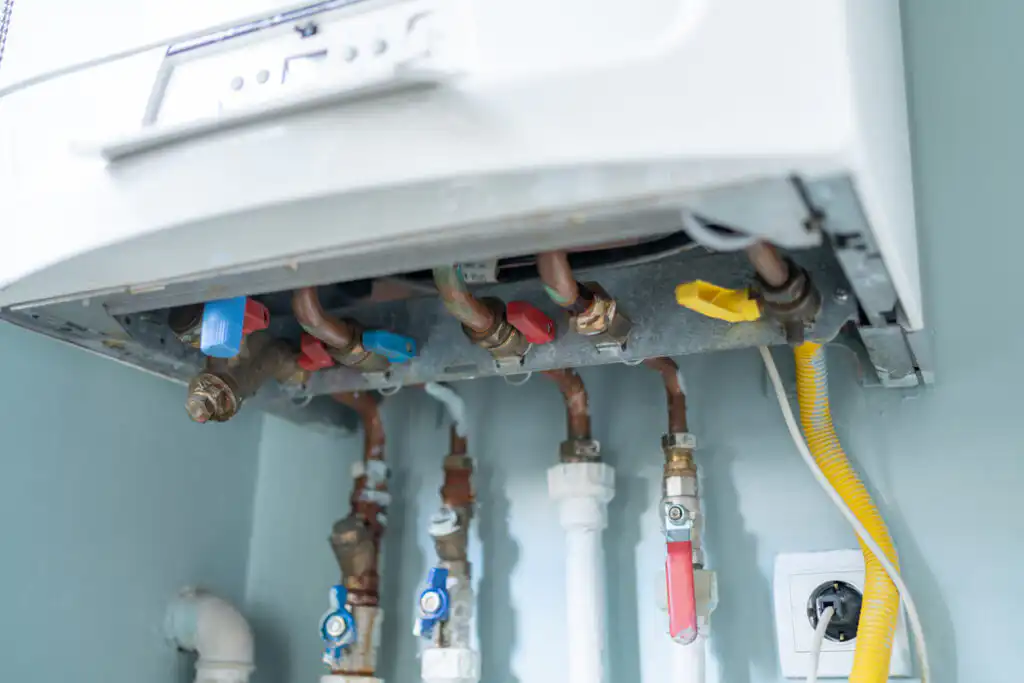
When a furnace turns on, runs briefly, shuts off, and then starts again minutes later, it can leave homeowners confused and frustrated. The house may feel unevenly heated, energy bills may rise, and the system never seems to settle into a steady rhythm. During Nebraska winters, this behavior often becomes more noticeable as furnaces work harder to keep up with colder temperatures.
This pattern is commonly referred to as short cycling. In some cases, it is tied to settings or airflow conditions that are easy to overlook. In others, it points to system safeguards doing their job or components that need closer evaluation. Understanding why a furnace turning on and off repeatedly happens helps homeowners recognize what is normal, what is not, and when further action makes sense.
What Short Cycling Means in Winter
Short cycling describes a furnace that shuts off before completing a full heating cycle. Instead of running long enough to evenly warm the home, the system starts and stops repeatedly. In winter, this behavior can feel more disruptive because outdoor temperatures demand longer, steadier operation.
Some cycling is expected. Furnaces are designed to respond to thermostat signals and indoor temperature changes. However, when cycles become very short or happen frequently, comfort suffers. Rooms may feel warm one moment and cool the next, and the system may never seem to catch up.
In Nebraska, short cycling often shows up during cold snaps when systems are under sustained demand. Cold weather can amplify small issues that went unnoticed during milder conditions.
Thermostat Issues That Trigger Frequent Cycling
Thermostat behavior is a common contributor when a furnace keeps cycling. One issue is placement. A thermostat located near drafts, exterior walls, or heat sources may misread room temperature and send repeated signals to the furnace.
Fan settings can also affect cycling. If the thermostat is set to circulate air aggressively, it may cause the system to respond more often than necessary. Smart thermostats add another layer. Recovery cycles, learning algorithms, and schedule changes can all influence how often the furnace turns on and off.
These conditions do not always mean something is broken. They affect how the thermostat communicates with the system. Checking settings and understanding thermostat behavior is often the first step in diagnosing furnace short cycling.
Airflow Restrictions and Filter Problems
Airflow plays a major role in how long a furnace runs during each cycle. Restricted airflow can cause the system to heat up too quickly, triggering a shutdown before the home is evenly warmed.
Dirty air filters are one of the most common causes. When filters are clogged, heat builds up inside the system instead of moving through the ductwork. Blocked return grilles or closed supply vents create similar problems by limiting circulation.
Furniture placement, rugs, or seasonal changes in airflow can also contribute. Reduced airflow exaggerates temperature changes inside the furnace, making it more likely to cycle off early. These factors do not confirm a mechanical fault, but they strongly influence cycling behavior during winter.
Safety Controls and System Safeguards
Furnaces are equipped with safety controls designed to protect the system and the home. When certain conditions are detected, these safeguards shut the furnace down temporarily.
High temperature limits are a common example. If the system senses excessive heat buildup, it will shut off to prevent damage. Pressure switches and flame sensors also play a role by monitoring proper operation during each cycle.
In these cases, the furnace turns on and off repeatedly as a protective response. The cycling itself is not the problem. It is a symptom of a condition the system is reacting to. Understanding this distinction helps avoid unnecessary assumptions about system failure.
What Homeowners Can Check Safely
Before scheduling a diagnostic visit, there are a few safe checks homeowners can perform. These steps focus on observation and basic maintenance, not repairs.
Homeowners can:
- Check and replace the air filter if it appears dirty or clogged
- Make sure supply vents and return grilles are open and unobstructed
- Confirm thermostat settings and schedules
- Note how long each cycle lasts and how often cycling occurs
These checks help gather useful information. If cycling improves after addressing airflow or settings, the issue may be resolved. If not, the observations still help clarify what is happening.
When to Schedule a Diagnostic Service
If the furnace continues turning on and off repeatedly after basic checks, scheduling a diagnostic evaluation is the appropriate next step. Diagnostics focus on confirming the cause of cycling rather than jumping straight to repairs.
A professional evaluation examines airflow, control signals, and safety responses to determine why cycling persists. This process helps ensure the system operates safely and consistently through Nebraska’s winter conditions.
For homeowners, diagnostics provide clarity and peace of mind. When cycling behavior does not match normal operation, a measured evaluation helps identify what is contributing and what steps may be needed next.
Schedule Online