








How to Prevent Frozen Pipes in Omaha This Winter
Every winter, we get calls from Omaha homeowners dealing with the same problem. Frozen pipes. It usually starts after a few nights of below-zero temperatures. You turn on a faucet, and nothing comes out. Or worse, a pipe bursts before anyone knows it’s frozen. The water damage that follows can turn into a real headache fast.
Frozen pipes are common around here, but they’re also preventable. A few small steps in the fall and a little attention during cold snaps can keep your plumbing safe. At Getzschman Plumbing, we’ve helped families across Omaha, Elkhorn, and Council Bluffs through countless winters. Here’s what we tell people when the temperature drops and pipes start to freeze.
Why Frozen Pipes Are Common in Omaha Homes
Omaha winters are tough. When the temperature drops below zero for a few days, it doesn’t take long for pipes to start freezing. The most vulnerable ones are usually in crawl spaces, basements, or along exterior walls. Places where insulation is thin or cold air leaks in.
Older homes are especially at risk because the plumbing often runs through areas that were never insulated properly. Even a small draft from a vent or window can drop the temperature around a pipe fast. That’s all it takes for water inside to freeze solid.
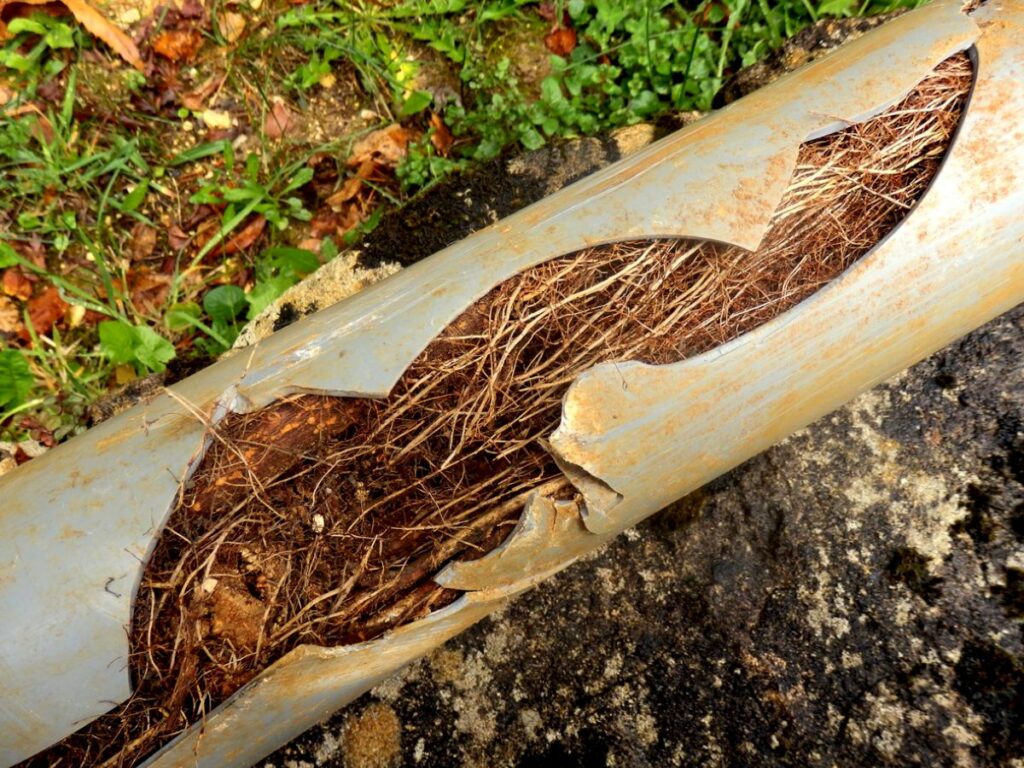
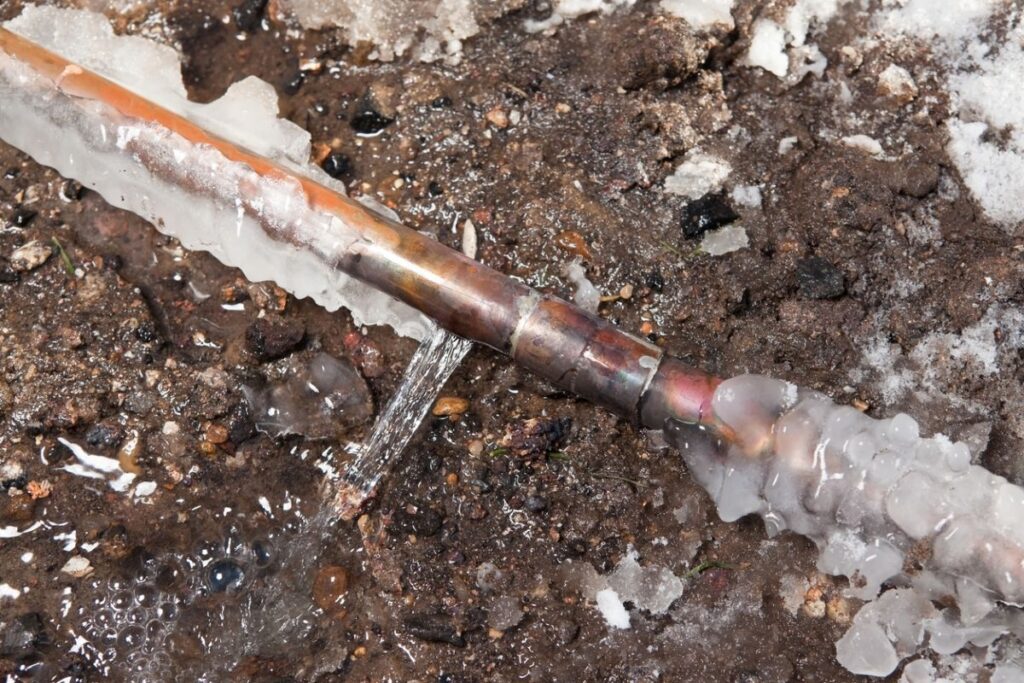
A lot of homeowners don’t notice until the problem’s already started. The water slows to a trickle, or a faucet stops working completely. That means ice is already forming inside the line. When the ice expands, pressure builds behind it. Eventually, the pipe gives out, and water starts pouring into the house once it thaws.
Steps to Protect Your Plumbing Before Temperatures Drop
You can prevent frozen pipes in Omaha with a few simple steps. The key is to act early, before the first real cold snap.
- Insulate exposed pipes. Use foam sleeves or heat tape anywhere you can see pipes, especially in basements and crawl spaces.
- Seal drafts. Check around foundation vents, doors, and windows. Cold air moves quickly and can freeze a pipe from the outside in.
- Disconnect garden hoses. Drain and shut off outdoor lines before freezing weather hits.
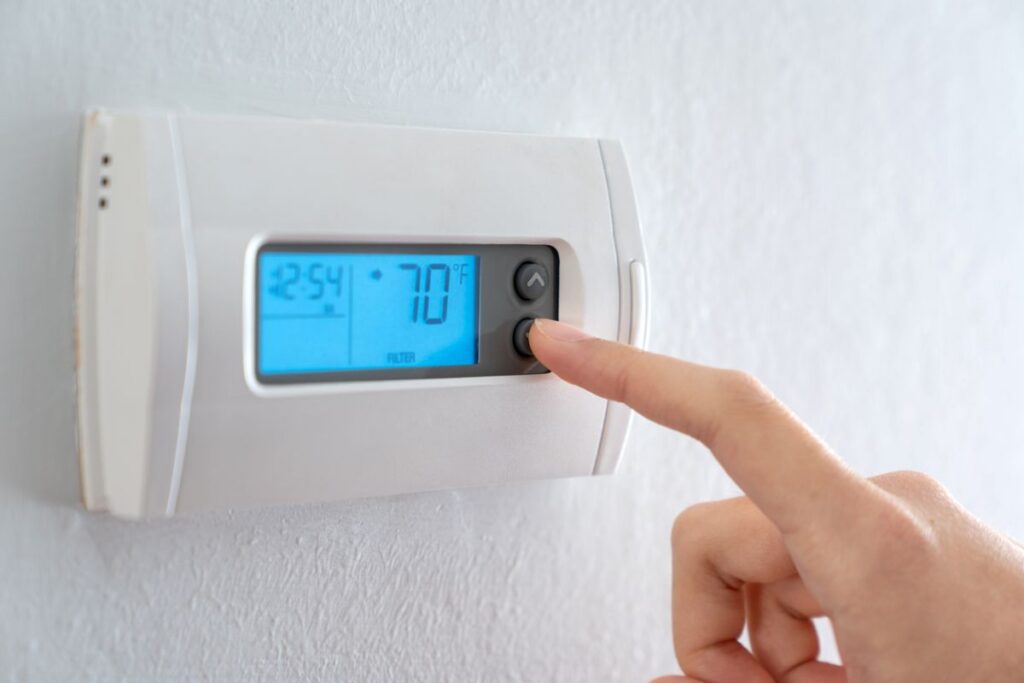
- Keep the heat steady. Don’t let your thermostat drop too low at night or while you’re away. Even 55 degrees is enough to keep water moving.
- Open cabinet doors. On really cold nights, open the cabinets under your sinks. It lets warm air reach the pipes.
- Let faucets drip. A slow drip relieves pressure and keeps water from freezing inside the line.
In Elkhorn and Council Bluffs, temperatures can swing overnight. One warm day doesn’t mean you’re in the clear. Stay prepared through the whole season, especially in January and February when the ground stays frozen.
What to Do If Your Pipes Start to Freeze
If you turn on a faucet and the flow slows down, that’s your warning. Don’t ignore it. Turn up the heat in your home and open nearby cabinet doors. If you can see the frozen pipe, warm it gently with a hair dryer or small space heater. Move the heat slowly along the pipe and give it time to thaw.
Keep a faucet open while you’re doing this. As the ice melts, pressure will release through the tap instead of forcing the pipe to burst. Watch for leaks while you work. If water starts to spray or drip, shut off the main valve immediately.
If you can’t reach the frozen section or the line is hidden behind a wall, call a plumber. We have the equipment to thaw pipes safely without causing damage. Waiting too long can turn a small problem into a big one once the line bursts.
When to Call a Professional Plumber
Sometimes a frozen pipe is too far gone for quick fixes. If you’ve lost water to more than one faucet or the main line feels solid, that’s when it’s time to call for help.
Getzschman Plumbing provides emergency service throughout Omaha, Elkhorn, and Council Bluffs. We locate the frozen section, thaw it safely, and repair any damage. Our trucks carry the parts and tools needed to get your water running again, even during the coldest nights.
After we get things under control, we can help you prevent it from happening again. Adding insulation, sealing gaps, or adjusting how your system cycles can make a big difference. Some homeowners also combine this work with water heater service to improve flow and reduce freeze risk in long lines.
Nebraska winters can be unpredictable, but your plumbing doesn’t have to be. Preparation and quick action go a long way when the temperature drops.
Call Getzschman for 24-hour emergency plumbing repair if your pipes freeze this winter.
Frequently Asked Questions
Once temperatures drop below 20 degrees for several hours, uninsulated pipes can start freezing, especially in basements or crawl spaces.
Yes. A slow drip keeps water moving and helps prevent pressure from building up. It’s one of the simplest ways to protect your plumbing during deep freezes.
Use a hair dryer or small space heater. Start close to the faucet and work your way toward the frozen area. Never use an open flame.
Always. Shut off and drain outdoor faucets and irrigation lines before the first frost. It’s one of the most common causes of burst pipes we see in Omaha homes.