









When to Schedule Home Generator Maintenance
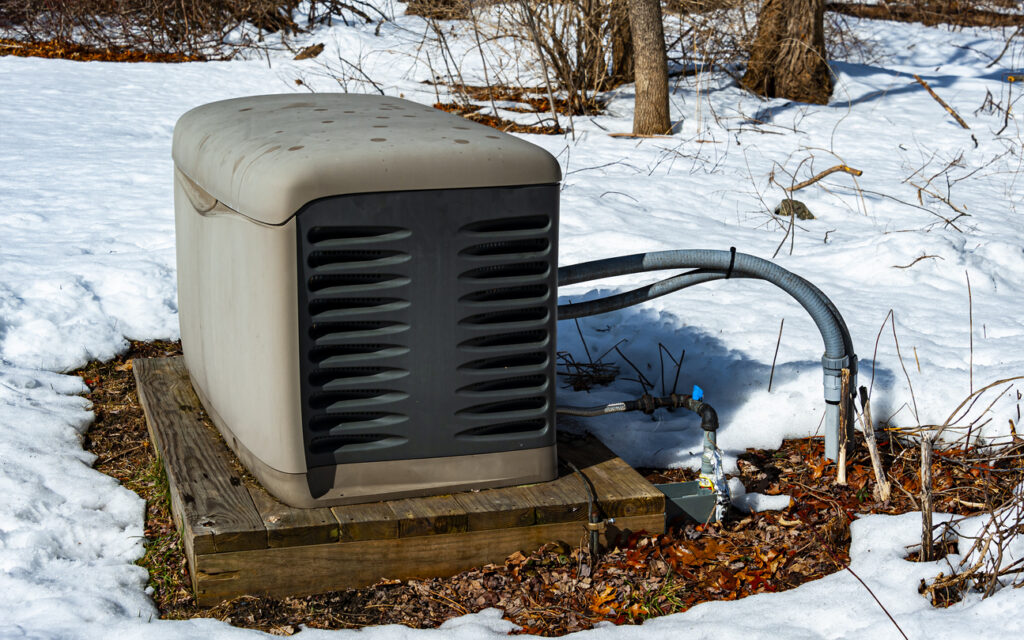
Standby generators are built to provide dependable backup power, but that reliability depends on consistent upkeep. In Nebraska, where storms, high winds, ice events, and extreme winter temperatures can interrupt service without warning, understanding when to schedule home generator maintenance is part of protecting your home and family.
Unlike heating and cooling equipment that runs daily, residential generators may sit idle for months at a time. That makes maintenance timing especially important. Waiting until after a failure defeats the purpose of having standby power. This guide explains how often generators typically need service, what affects maintenance intervals, and how seasonal conditions influence scheduling decisions.
Why Generator Maintenance Timing Matters
Backup power systems are designed to operate automatically during outages. However, inactivity can allow small issues to develop unnoticed. Oil breaks down over time. Batteries slowly lose capacity. Internal seals and connections age even without heavy use.
Generators are most likely to be needed during severe weather events, which is when system demand is highest. Without a consistent generator maintenance schedule, minor issues may not be discovered until the system is under load.
Proactive home generator maintenance reduces the risk of:
- Startup hesitation
- Voltage fluctuation
- Transfer switch delays
- Reduced runtime capacity
Maintenance helps your system stay ready before storm season hits, instead of dealing with problems after the lights go out.
How Often Home Generators Typically Need Maintenance
Most standby systems require professional inspection at least once per year. That annual service usually includes oil and filter changes, battery inspection, and a full operational review.
Usage patterns also affect timing. A generator that has powered a home through multiple outages or extended runtime events may require earlier service. Manufacturer recommendations often include maintenance intervals based on engine hours in addition to calendar timing.
Whole house generator maintenance generally considers:
- Annual service intervals
- Total runtime hours
- Frequency of outage events
- Environmental exposure and weather patterns
Standby generator maintenance is both time-based and usage-based. Even automatic standby generator systems that run weekly self-tests benefit from a thorough annual review.
How Generator Self-Tests Factor Into Maintenance
Many homeowners assume that because their generator runs a weekly self-test, it does not require additional servicing. These short exercise cycles are helpful, but they do not replicate real outage conditions.
During self-tests:
- The engine starts briefly
- Fluids circulate
- Basic startup functions are confirmed
However, these tests typically occur without significant electrical load. They do not evaluate full output performance or extended runtime behavior.
Generator servicing under real load conditions confirms that the system can carry household demand, not just start successfully.
Signs It May Be Time to Schedule Maintenance
Certain indicators suggest that maintenance intervals may have been reached.
- It has been more than one year since the last inspection
- The generator experienced extended runtime during storms
- Startup sounds slower or different
- Control panel alerts appear
- The battery is several years old
- The transfer switch response seems delayed
These are indicators, not diagnoses. They suggest that home generator maintenance may be due, especially before the next season of increased outage risk.
Seasonal Factors That Affect Generator Maintenance
Nebraska weather plays a major role in maintenance timing.
Spring and summer bring severe thunderstorms and wind events. Fall is often an ideal time to prepare for winter reliability. Cold temperatures can affect battery strength and fluid viscosity. Ice and snow accumulation may impact outdoor components.
Seasonal preparedness means scheduling maintenance ahead of predictable weather shifts. Planning before storm season reduces scheduling pressure and improves overall readiness.
Extended cold weather can also increase runtime demand during outages. Whole house generator maintenance performed before winter improves confidence when temperatures drop.
Generator Runtime and Load Testing
Generator runtime provides valuable insight into wear. A system that has powered a home through multiple outages accumulates more mechanical stress than one that has remained idle.
During maintenance, technicians may perform load testing. Load testing places the generator under controlled demand to verify:
- Voltage stability
- Proper transfer switch engagement
- Engine response under load
- Cooling system performance
- Overall system efficiency impact
Without periodic load testing, performance issues may not become apparent until an actual outage occurs.
Common Maintenance Misconceptions
Several misunderstandings can delay proper maintenance.
Some homeowners assume low usage means no service is needed. Others believe that a generator that starts during weekly testing does not require inspection.
In reality:
- Oil degrades over time regardless of use
- Batteries age and lose capacity
- Electrical connections can loosen with vibration
- Environmental exposure affects seals and wiring
Maintenance intervals are based on time, usage, and environmental conditions, not simply if the generator appears to function.
When to Schedule a Professional Generator Evaluation
If it has been a year since the last inspection, if the generator has experienced significant runtime, or if alerts are present, scheduling a professional evaluation is recommended.
A maintenance review confirms:
- Oil and filter condition
- Battery health
- Transfer switch functionality
- Output performance under load
- Overall readiness for backup power events
An evaluation is simply a check to make sure everything is working the way it should. It does not mean something needs to be replaced. It gives you a clear picture of your generator’s condition so you know it is ready when you need it.
If you want steady backup power and straightforward guidance, Getzschman Heating provides Home Generator Services along with routine maintenance and access to practical generator maintenance resources to help keep your system prepared over time.
Schedule Online