








Why Some Rooms Are Colder Than Others in Winter
If you’ve noticed certain rooms colder than others during a Nebraska winter, you’re not imagining it. It’s a common issue once heating season settles in. A bedroom might feel chilly while the living room stays comfortable. A finished basement may never quite catch up.
Small differences are normal. No home distributes heat perfectly evenly. But when rooms colder than others become a steady frustration, it helps to understand what’s behind it. Winter weather, airflow, insulation, and layout all affect how heating and cooling systems move warm air through a house.
This guide explains why temperature differences happen, what contributes to uneven heating in home environments, and when it may be time to take a closer look.
Why Temperature Differences Are Common in Winter
Winter tends to highlight comfort issues that might go unnoticed in milder months. As outdoor temperatures drop, heat escapes faster through walls, windows, attic spaces, and foundations.
Rooms with exterior walls or large windows often lose heat more quickly than interior rooms. North facing spaces usually stay cooler. South facing rooms may gain a little help from sunlight during the day.
Cold rooms in house situations are especially common in homes with older windows or rooms built above unheated garages. Even small insulation gaps can create noticeable differences when temperatures stay below freezing for days at a time.
Nebraska winters place increased demand on heating and cooling systems. When your furnace runs longer to keep up, small imbalances become easier to feel.
How Airflow Affects Room Temperatures
Your heating system depends on balanced airflow. Even when the furnace is producing enough heat, uneven temperature distribution can occur if air is not moving evenly through the ductwork.
Several factors influence airflow:
- Supply and return vent placement
- Closed or partially blocked vents
- Furniture covering registers
- Long or complex duct runs
Airflow imbalance is one of the most common reasons for uneven home heating. Some rooms receive stronger airflow, while others get less. That does not automatically mean the equipment is failing. It often reflects how air pressure and duct layout interact within the home.
Before assuming a larger issue, it’s worth checking that vents are open and unobstructed.
Insulation and Heat Loss Factors
Insulation plays a major role in winter comfort. Areas with thin insulation or small air leaks allow warm air to escape more quickly.
Older homes may have:
- Limited attic insulation
- Gaps inside wall cavities
- Drafts around window frames
- Air movement near baseboards
Even a subtle draft can make one room colder than rest of house conditions feel more extreme. Heat loss patterns vary based on age, construction style, and orientation of the home.
These are contributing factors, not automatic red flags. But they help explain why certain rooms cool down faster than others.
Thermostat Placement and Home Layout
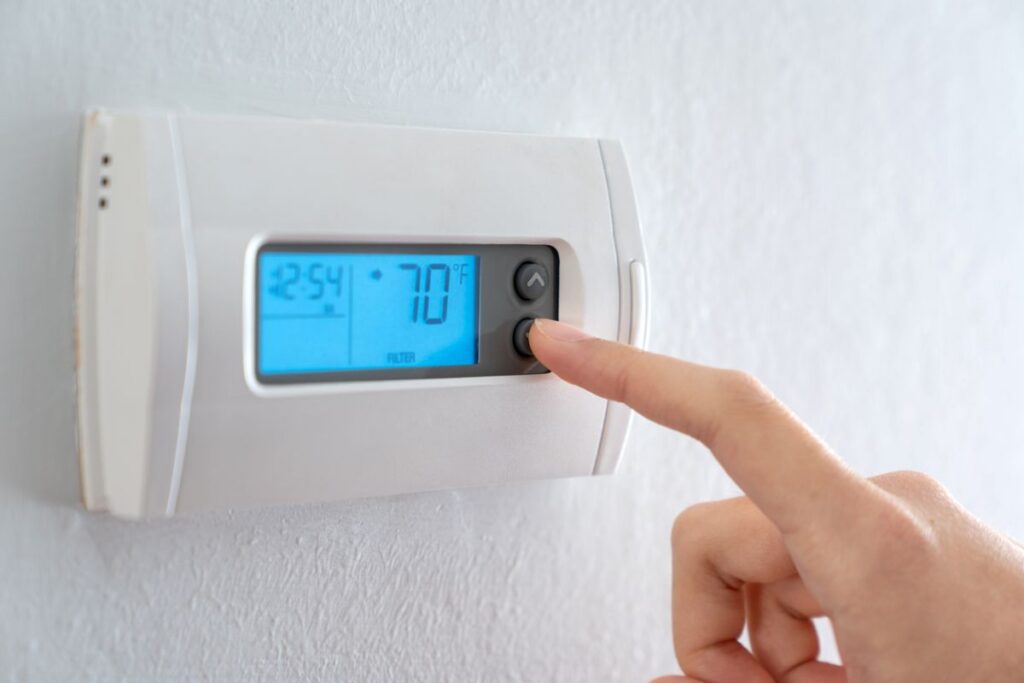
Thermostat location makes a difference. Most homes rely on a single thermostat placed in one area. That reading determines when the furnace turns on and off.
If the thermostat sits in a warmer interior hallway, the system may shut off before cooler rooms reach the same temperature. This is a frequent cause of uneven heating in home setups.
Multi story homes add another layer. Warm air naturally rises. Upper floors may feel warmer, while lower levels stay cooler. During winter, this stack effect becomes more noticeable.
Room layout also plays a part. Bedrooms at the end of long duct runs may receive air slightly later than rooms closer to the furnace.
How Winter Heat Demand Increases Differences
Extended cold spells put steady demand on your system. When outdoor temperatures remain low, it runs longer and works harder.
Even efficient heating and cooling systems cannot eliminate all room-to-room variation. Prolonged cold weather exposes airflow limitations and insulation gaps that are less noticeable during fall or spring.
Recognizing the seasonal impact helps separate typical winter behavior from ongoing comfort concerns.
Signs Uneven Heating May Indicate a Problem
Some variation is expected. Others deserve attention.
Consider a comfort evaluation if you notice:
- Persistent temperature differences of several degrees
- One room colder than rest of house even with vents open
- Uneven heating in home areas that previously felt balanced
- New drafts or airflow changes
- Sudden shifts in how rooms feel
When uneven home heating appears abruptly or worsens over time, it may point to airflow restrictions or system balance concerns.
When to Schedule a Comfort Evaluation
If rooms colder than others continue to be an issue throughout winter, it might be worth having someone take a closer look. Not because something is necessarily broken, but because small airflow or insulation issues can add up.
A comfort evaluation is simply a way to see how your system is performing under real Nebraska winter conditions. It provides a clearer picture of airflow, layout, and how the equipment is responding to demand.
If you want straightforward input, Getzschman’s residential heating services team and heating and comfort specialists can review your concerns and talk through your next steps.
Schedule Online